Gambling
Wagering money or valuables on an uncertain outcome. Its intermittent, variable-ratio payouts make it one of the most habit-forming behaviors — driving strong dopamine-mediated anticipation — and gambling disorder is a recognized behavioral addiction.
Too much may be associated with
Gambling disorder: chasing losses, inability to stop, financial ruin, relationship breakdown, anxiety, and depression, linked to dysregulated dopamine reward signalling and impaired impulse control.
Informational only — not medical advice.
Neurotransmitters
Books (4)

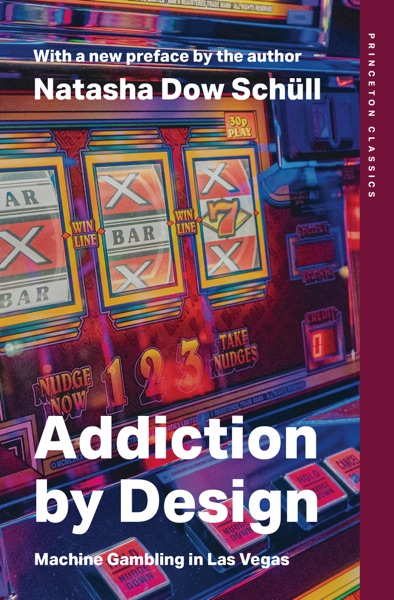

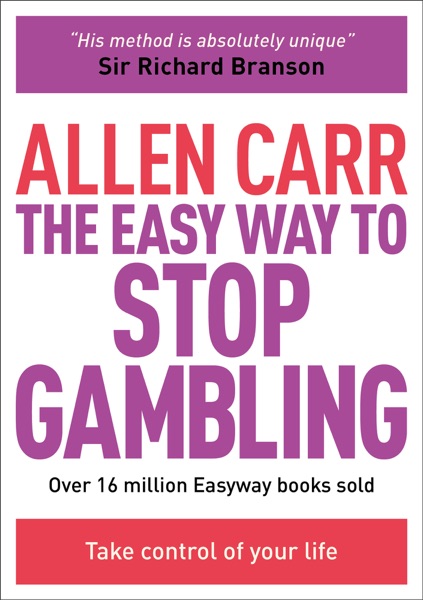
Podcasts
- ALL IN: The Addicted Gambler's Podcast | The Original Gambling Addiction Podcast
Stories and support for recovery from gambling addiction.

- The Addicted Mind Podcast
Conversations on addiction, recovery, and the science behind them.

- The After Gambling Podcast
Conversations on recovery from gambling addiction.

Research (13)
- Engineered highs: Reward variability and frequency as potential prerequisites of behavioural addiction Clark et al. (2023) Full text ↗ PubMed ↗
- Drug-Induced Gambling Disorder: Epidemiology, Neurobiology, and Management Wolfschlag et al. (2023) Full text ↗ PubMed ↗
- Creativity related to dopaminergic treatment: A multicenter study Garcia-Ruiz et al. (2019) Full text ↗ PubMed ↗
- Similarities and Differences in Genetics Zhang et al. (2017) Full text ↗ PubMed ↗
- Games in the Brain: Neural Substrates of Gambling Addiction Murch et al. (2016) Full text ↗ PubMed ↗
- [Aripiprazole, gambling disorder and compulsive sexuality] Mété et al. (2016) Full text ↗ PubMed ↗
- Addiction aux jeux d'argent: apport des neurosciences et de la neuroimagerie Sescousse (2014) PubMed ↗
- The genetics of problem and pathological gambling: a systematic review Blum et al. (2014) Full text ↗ PubMed ↗
- Antiparkinsonian medication and pathological gambling Lader (2008) Full text ↗ PubMed ↗
- The Iowa Gambling Task and the somatic marker hypothesis: some questions and answers Antonio (2005) Full text ↗ PubMed ↗
- Pathological gambling Hollander et al. (2000) Full text ↗ PubMed ↗
- Impulsivity Hollander et al. (2000) Full text ↗ PubMed ↗
- Gambling Disorder as an Addictive Disorder and Creative Psychopharmacotherapy Hasanović et al. PubMed ↗
Links
Recovery resources
Help for gambling use and recovery. Not an endorsement or medical advice — see all recovery resources.
National Problem Gambling Helpline
A free, confidential, 24/7 US helpline (1-800-522-4700) offering support and local referrals for problem gambling.
Gam-Anon
Mutual support for the spouses, family, and friends of compulsive gamblers.
Gamblers Anonymous (GA)
A 12-step fellowship where compulsive gamblers help one another stop gambling and rebuild their lives.
SMART Recovery
A secular, science-based recovery program using cognitive-behavioral tools for any addictive behavior.
Community
Log in to rate and share your notes.
No contributions yet.