Saffron
Saffron (Crocus sativus) is a spice studied for mood. A growing set of small randomized trials suggests an antidepressant effect in mild-to-moderate depression, in some cases comparable to low-dose SSRIs, along with possible anti-anxiety effects. Results are promising but come from small, often short and regionally concentrated studies, so confirmation in larger trials is needed.
Too little may be associated with
Less mood support.
Too much may be associated with
High doses are toxic; GI upset.
Informational only — not medical advice.
Neurotransmitters
Related
Where to buy
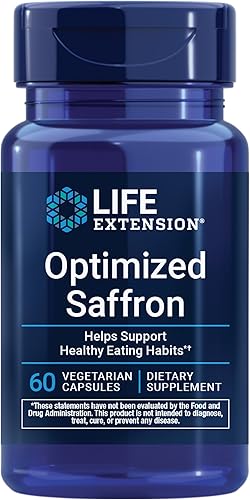
Popular Saffron products on Amazon. Not medical advice — talk to a clinician before starting a supplement.


As an Amazon Associate, Neurotransmission earns from qualifying purchases.
Research (7)
- Management of Antidepressant-Induced Sexual Dysfunction: A Literature Review Tran et al. (2025) Full text ↗ PubMed ↗
- Therapeutic Potential of Herbal Compounds in Curing Dysmenorrhea Naturally: A Review Kumar et al. (2025) Full text ↗ PubMed ↗
- Effect of Saffron Versus Selective Serotonin Reuptake Inhibitors (SSRIs) in Treatment of Depression and Anxiety: A Meta-analysis of Randomized Controlled Trials Shafiee et al. (2025) Full text ↗ PubMed ↗
- Antidepressive and anxiolytic effects of a combination of Saffron and Chamomile in rats and their relationship with serotonin using methods Ahmad et al. (2025) Full text ↗ PubMed ↗
- Saffron essential oil ameliorates CUMS-induced depression-like behavior in mice via the MAPK-CREB1-BDNF signaling pathway Xu et al. (2023) Full text ↗ PubMed ↗
- Clinician guidelines for the treatment of psychiatric disorders with nutraceuticals and phytoceuticals: The World Federation of Societies of Biological Psychiatry (WFSBP) and Canadian Network for Mood and Anxiety Treatments (CANMAT) Taskforce Sarris et al. (2022) PubMed ↗
- Natural Products with Antiplatelet Action Hirsch et al. (2017) Full text ↗ PubMed ↗
Links
Community
Log in to rate and share your notes.
No contributions yet.